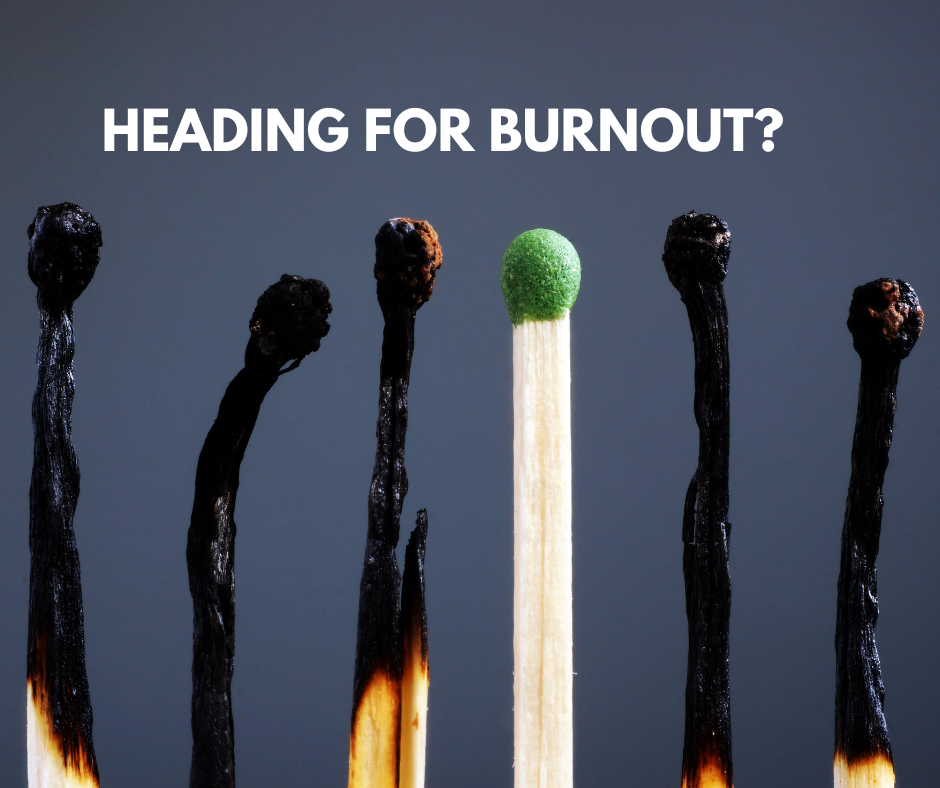
We’ve all had tough days at work—deadlines piling up, emails flooding in, and that one colleague who somehow always “forgets” to mute on Teams calls. But burnout is different. It creeps up slowly, often disguised as everyday stress, until one day you realise you’re running on empty.
Burnout isn’t just about work; external factors—family responsibilities, relationship stress, financial worries, health concerns—can add fuel to the fire. If you’ve been feeling ‘off’ for a while, it might be time to check in with yourself. Here are some hidden signs of burnout to watch for, plus what you can do if any of them sound uncomfortably familiar.
Hidden Signs of Burnout in the Workplace
🔥 You’re always exhausted (even after a full night’s sleep)
You wake up tired, push through the day with caffeine, and crash on the sofa as soon as you get home. Mental and emotional exhaustion is one of the earliest (and easiest to ignore) signs of burnout.
🔥 Your motivation has left the building
Tasks that used to be second nature now feel impossible to start. You stare at your to-do list, but instead of tackling it, you procrastinate—or worse, you just don’t care anymore.
🔥 You’re constantly irritated
Things that wouldn’t usually bother you—background office chatter, a slightly blunt email, even your own workload—suddenly feel unbearable. Small annoyances seem bigger, and you find yourself snapping at colleagues or withdrawing from conversations altogether.
🔥 You’re More Forgetful and Making Mistakes
Your focus isn’t what it used to be. Maybe you’re missing deadlines, zoning out in meetings, or making mistakes that normally wouldn’t happen. This mental fog is a telltale sign of burnout.
🔥 Your productivity is dropping
You’re working longer hours, but getting less done. Simple tasks take twice as long, and your concentration is shot. It feels like you’re wading through quicksand.
🔥 Physical symptoms are creeping in
Burnout doesn’t just mess with your mind—it affects your body, too. Unexplained headaches, stomach issues, muscle tension, and even frequent colds can all be warning signs that your stress levels are too high.
The Role of Life Outside Work
Burnout doesn’t happen in isolation. Factors outside of work can make it worse or even be the root cause. Here are some external pressures that might be tipping you over the edge:
🏡 Home life stress
Caring for children, supporting ageing parents, or dealing with relationship struggles can take an emotional toll, making it harder to recharge outside of work.
💳 Financial worries
Money concerns can lead to sleepless nights and added pressure to work longer hours or take on extra responsibilities, even when you’re already struggling.
😴 Poor sleep and lifestyle habits
Lack of sleep, skipping meals, or relying on sugar and caffeine for energy might seem like short-term fixes, but they can make burnout worse in the long run.
🤹♂️ The ‘always-on’ culture
If you’re constantly juggling work, family, and social commitments, you might not be getting the downtime you need to recover.
When work stress meets external pressures, it creates the perfect storm for burnout—so it’s important to look at the bigger picture when assessing your wellbeing.
What to Do If You Recognise These Signs
If these symptoms sound familiar, it’s time to take action. The good news? Burnout isn’t permanent, and there are steps you can take to recover.
✔️ Acknowledge it
The first step is recognising that you’re experiencing burnout. It’s not a sign of weakness—it’s a sign that something needs to change.
✔️ Set boundaries
If work is the main cause, try to regain control where you can. This might mean setting stricter work hours, taking proper breaks, or having an honest conversation about your workload.
✔️ Prioritise rest and recovery
Sleep, nutrition, movement, and relaxation aren’t luxuries—they’re necessities. Even small changes, like setting a regular bedtime or getting outside for a short walk, can make a big difference.
✔️ Ask for help
You don’t have to navigate burnout alone. Talk to a trusted friend, colleague, or manager. If you’re really struggling, consider speaking to a mental health professional—many workplaces offer Employee Assistance Programmes (EAPs) with free support.
✔️ Make space for things you enjoy
Burnout makes life feel like an endless to-do list. Try to reconnect with hobbies, social activities, or even just moments of peace—whether that’s reading, listening to music, or doing absolutely nothing (which is completely valid, by the way).
Final Thoughts
Burnout doesn’t mean you’re weak—it means you’ve been carrying too much for too long. Recognising the warning signs early can help you take action before burnout takes over.
If any of the signs in this article resonate with you, take a moment to pause, reassess, and put your wellbeing first. Because at the end of the day, no job or responsibility is worth sacrificing your health for.