For years, sleep was treated as a negotiable part of life—something to be sacrificed for early starts, late-night emails, or just one more episode on Netflix. But the tide is turning. Thanks to ground-breaking research, particularly from UK institutions like the University of Oxford, sleep is no longer seen as a luxury—it’s an essential pillar of health, on par with diet and exercise.
Scientists are uncovering more about the profound effects of sleep on everything from mental clarity to immune function, and even long-term disease prevention. In fact, sleep deprivation has been linked to a higher risk of cardiovascular disease, obesity, and anxiety, making it one of the most significant yet overlooked aspects of wellbeing.
Yet despite the research, many of us are still struggling to prioritise sleep. The pressures of modern life, work demands, and technology have made it harder than ever to get the recommended 7–9 hours a night. And while we might tell ourselves we can “catch up” on sleep later, science suggests it’s not that simple.
So, what do we actually need to know about sleep? Why does it matter so much? And, more importantly, how can we improve it? Let’s explore what the latest research has to say.
The Science of Sleep: What We Now Know
Recent research has significantly deepened our understanding of sleep’s vital role in maintaining overall health. Studies from UK institutions and global research have shed light on how sleep quality and patterns influence various aspects of our wellbeing.
UK-Based Research on Sleep and Health
A notable study by University College London (UCL) discovered a causal link between habitual napping and larger total brain volume, a marker associated with better brain health and a reduced risk of dementia. This finding suggests that regular daytime naps could play a role in maintaining cognitive function as we age. Another significant UK study analysed data from nearly 500,000 adults and found that seven hours of sleep per night is the optimal amount for good mental health, wellbeing, and cognitive performance in individuals aged between their late 30s and early 70s. This research highlights the importance of adequate sleep duration in maintaining mental acuity and emotional stability.
Global Sleep Research Trends
International studies have also emphasized the critical role of sleep in overall health. For instance, a large-scale study involving over 220,000 participants revealed global differences in sleep patterns, underscoring the impact of cultural and environmental factors on sleep behaviour. These insights are crucial for developing tailored interventions to improve sleep health across diverse populations.
Furthermore, research has shown that improving sleep quality can lead to better mental health outcomes. A comprehensive review combining results from 65 randomized controlled trials involving over 8,600 people demonstrated that enhancing sleep can significantly improve mental health, highlighting sleep’s role as a modifiable factor in mental wellbeing. Collectively, these studies reinforce the understanding that sleep is integral to both physical and mental health. Prioritising good sleep hygiene and regular sleep patterns is essential for maintaining optimal health and preventing various health issues.
Sleep and the Modern Workplace: Why It Matters for Employees
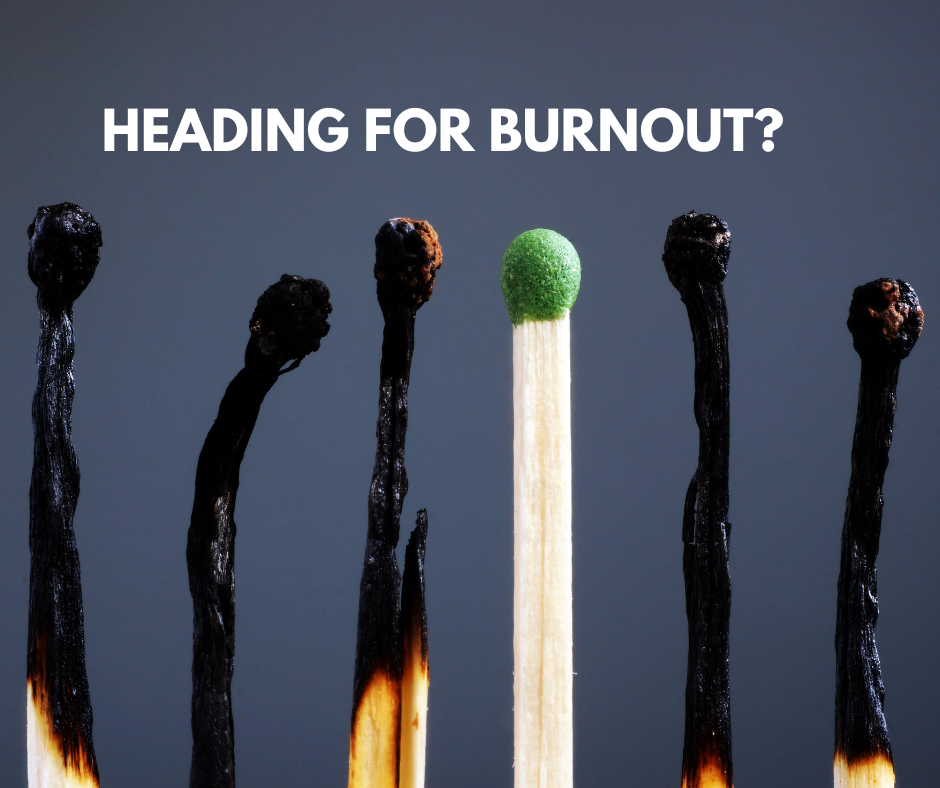
For many, sleep is often the first thing to be sacrificed and pushed to the bottom of the priority list. Early meetings, long commutes, late-night emails, and the pressure to ‘hustle’ all contribute to a workforce that is chronically sleep-deprived. But while skipping sleep might feel like a badge of honour in some industries, research suggests that it’s actually harming both individual performance and business productivity.
The Cost of Poor Sleep on Work Performance
Lack of sleep isn’t just about feeling tired—it directly impacts cognitive function. Studies have shown that insufficient sleep:
✅ Reduces concentration, memory, and problem-solving abilities.
✅ Lowers emotional resilience, making people more reactive to stress.
✅ Increases the risk of errors, accidents, and poor decision-making.
In fact, research from the UK’s Sleep Council found that nearly four in ten Britons don’t get enough sleep, leading to sluggishness and reduced efficiency at work. Meanwhile, a study by RAND Europe estimated that sleep deprivation costs the UK economy £40 billion a year in lost productivity due to absenteeism and presenteeism (when employees are at work but functioning below capacity).
The ‘Productivity Paradox’: Why Less Sleep Doesn’t Mean More Work
Many people believe that sleeping less gives them more time to be productive. But the reality is quite the opposite. Research shows that well-rested employees:
✔ Process information more effectively.
✔ Are better at creative problem-solving.
✔ Have stronger interpersonal skills and workplace relationships.
A Harvard Business Review article highlighted that employees who sleep well tend to perform better, experience fewer conflicts, and are generally more engaged in their roles. In contrast, sleep-deprived workers are more likely to make poor decisions and take unnecessary risks—something that can be especially dangerous in high-stakes professions such as healthcare, logistics, and finance.
Why Employee Sleep Matters – for Businesses and Individuals
Forward-thinking employers are starting to recognise the vital role sleep plays in workplace wellbeing. Some companies are even adopting ‘sleep-positive’ policies to support their teams, such as:
🕰 Flexible working hours – Allowing employees to adjust their schedules to improve sleep quality.
🚫 Setting boundaries on after-hours emails – Fostering a culture that respects rest time.
💤 Sleep education and wellbeing programmes – Providing employees with the knowledge and tools to enhance their sleep.
But while businesses can help create a sleep-friendly culture, the responsibility also lies with the individual. Prioritising rest isn’t just about feeling less tired—it’s about boosting focus, resilience, and overall wellbeing. Prioritising good sleep can make you and your team happier, healthier, and more effective, and that’s a win for everyone.
The Link Between Sleep, Mental Health, and Physical Wellbeing
The connection between sleep and overall wellbeing is undeniable. While we often think of sleep as a way to recharge, its impact goes far beyond simply feeling rested. Research has repeatedly shown that poor sleep can contribute to serious mental health conditions and long-term physical health problems, making it a critical pillar of overall wellbeing.
Sleep and Mental Health: A Two-Way Relationship
Mental health and sleep are deeply intertwined. Poor sleep doesn’t just leave us feeling groggy; it actively worsens symptoms of stress, anxiety, and depression. At the same time, struggling with mental health can make it harder to fall or stay asleep, creating a vicious cycle.
🔹 Sleep deprivation worsens stress and anxiety
Lack of sleep makes the brain more reactive to stress. Studies using MRI scans have shown that sleep-deprived individuals have higher activity in the amygdala—the part of the brain responsible for processing emotions—leading to increased feelings of stress and irritability.
🔹 Poor sleep is linked to depression
Long-term sleep deprivation is one of the strongest predictors of depression. A study by the University of Warwick found that people who experience persistent insomnia are significantly more likely to develop depressive symptoms over time.
🔹 Sleep helps with emotional regulation
When we get enough sleep, we are better equipped to handle emotional challenges. A well-rested brain is more resilient, meaning we are less likely to feel overwhelmed by setbacks or workplace pressures.
The Physical Consequences of Poor Sleep
Beyond mental health, sleep plays a crucial role in maintaining physical health. Chronic sleep deprivation has been linked to a range of serious health conditions, including:
Heart Disease and High Blood Pressure
Research from the British Heart Foundation has shown that people who consistently sleep fewer than six hours per night have a 48% higher risk of heart disease and a 15% greater chance of stroke. This is because sleep regulates blood pressure and allows the heart to recover from daily stress.
🍔 Weight Gain and Obesity
A lack of sleep disrupts the hormones that control hunger and appetite. Sleep-deprived individuals tend to produce more ghrelin (the hunger hormone) and less leptin (the hormone that signals fullness), leading to increased cravings and overeating. A study by King’s College London found that sleep-deprived people consume an extra 385 calories per day on average—often from sugary, high-fat foods.
🛡️ Weakened Immune System
Sleep is essential for immune function. Research from the University of Surrey found that people who slept fewer than six hours a night had genes linked to inflammation and immune suppression activated, making them more susceptible to colds, flu, and even long-term conditions like diabetes.
🧠 Increased Risk of Dementia
Emerging research suggests that sleep helps clear toxic waste products from the brain, including beta-amyloid, a protein associated with Alzheimer’s disease. A study by the University of Exeter found that middle-aged adults who consistently get poor sleep are at a 30% greater risk of developing dementia in later life.
How to Break the Cycle: The Key to Better Sleep and Wellbeing
The good news? Small, sustainable changes can significantly improve sleep quality and overall wellbeing. Some evidence-based strategies include:
✅ Sticking to a regular sleep schedule – Going to bed and waking up at the same time every day, even on weekends.
✅ Reducing screen time before bed – Blue light from phones and laptops interferes with melatonin production, the hormone that helps us sleep.
✅ Managing stress through relaxation techniques – Activities like meditation, journaling, or deep breathing can help calm the mind before bed.
✅ Optimising sleep environment – A cool, dark, quiet bedroom promotes deeper sleep.
✅ Limiting caffeine and alcohol intake – Both can interfere with the body’s ability to achieve deep, restorative sleep.
Prioritising Sleep for a Healthier, More Productive Life
For too long, sleep has been undervalued—seen as something we can cut back on in favour of longer work hours, social commitments, or late-night scrolling. As research continues to highlight, sleep is not a luxury; it is a fundamental pillar of health. Without it, our mental clarity, physical wellbeing, and workplace performance suffer.
At The Wellbeing Boost, we appreciate the power of sleep and its impact on productivity, mood, and long-term health. We share practical hints and tips, myth-busting insights, and product reviews to help you make informed choices about improving your sleep quality.
Sleep isn’t something to squeeze in when everything else is done—it’s a key investment in your wellbeing. Just like eating well and exercising, prioritising good sleep is one of the best things you can do for your mind and body. So tonight, give yourself permission to rest, recharge, and reset. The best version of yourself starts with a good night’s sleep.