When you hear the term “financial wellbeing,” what comes to mind? For many, it’s simply about having enough money to pay the bills or being able to afford a comfortable lifestyle. While these are certainly aspects of financial wellbeing, true financial security and confidence go much deeper than just your bank balance.
Financial wellbeing is about feeling in control of your money, having the freedom to make choices, and ensuring that financial stress doesn’t negatively impact your life. It’s not just about wealth—it’s about security, stability, and having a plan for both the expected and the unexpected.
In this guide, we’ll break down what financial wellbeing really means, why it matters, and how The Wellbeing Boost will help you improve yours step by step.
Defining Financial Wellbeing
The best way to think about financial wellbeing is to see it as a state of financial security, freedom, and confidence. The Money and Pensions Service (MaPS) defines financial wellbeing as:
“Feeling secure and in control of your finances, now and in the future.”
It’s about being able to:
- Pay your bills without worry
- Handle unexpected expenses
- Save for future goals
- Feel confident making financial decisions
Crucially, financial wellbeing isn’t just for the wealthy—it’s achievable for everyone, no matter their income. It’s about managing what you have effectively, not just how much you earn.
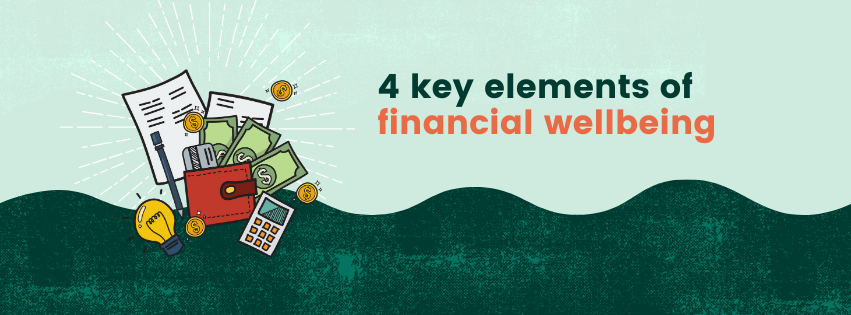
The Four Key Elements of Financial Wellbeing
📆 Managing Day to Day Finances
Do you have control over your spending? Are you able to cover all your essential expenses without struggling? Effective money management is the foundation of financial wellbeing.
🪂 Having a Safety Net
Unexpected expenses—like car repairs, medical bills, or job loss—can throw finances into chaos. A strong financial safety net means you can handle these without stress.
🔮 Planning for the Future
Good financial wellbeing means thinking ahead. Whether it’s retirement, homeownership, or a dream holiday, having a plan ensures you’re working towards your goals.
💪 Feeling In Control and Confident
Financial wellbeing isn’t just about numbers—it’s about how you feel about money. Do you panic every time you check your bank account? Do you feel overwhelmed by financial decisions? A confident money mindset is just as important as the pounds in your savings account.
Why Financial Wellbeing Matters
a) Less Stress, Better Health
Money worries are one of the leading causes of stress, affecting both mental and physical health. Financial stress can lead to anxiety, depression, and even physical symptoms like headaches and poor sleep. On the other hand, when you feel financially secure, you experience less stress and greater peace of mind.
b) More Freedom & Control
Good financial wellbeing means having choices. You’re not stuck in a job you hate because of debt. You’re not forced to panic every time an unexpected bill arrives. Instead, you have options and the ability to make decisions based on what’s best for you, not just what you can afford.
c) A Stronger Future
Your future self will thank you for making smart financial decisions today. Whether it’s preparing for retirement, saving for a home, or building wealth, achieving financial wellbeing helps you create long-term stability.
A 2023 report from the Financial Conduct Authority (FCA) found that 50% of UK adults show signs of financial vulnerability, with many struggling to pay bills and manage debt. This makes financial wellbeing a pressing issue for individuals, employers, and society as a whole.
The Most Common Barriers to Financial Wellbeing
1. Living Payslip to Payslip
Many people find themselves running out of money before the next payday. This can be due to low income, poor spending habits, or high expenses.
2. Debt & Overspending
High levels of debt can make financial wellbeing feel impossible. Credit card debt, payday loans, and overspending create stress and limit financial freedom.
3. Lack of Financial Knowledge
Many people simply haven’t been taught how to manage money. If you don’t know how to budget, save, or invest, financial wellbeing can feel out of reach.
4. Unexpected Life Events
Job loss, illness, divorce—life throws curveballs. Having a financial plan (especially an emergency fund and insurance) can help protect you from financial disaster.
How The Wellbeing Boost Will Help You Improve Your Financial Wellbeing
At The Wellbeing Boost, we’re here to help you take control of your finances. We know that achieving financial wellbeing isn’t always easy, and that’s why we provide clear, practical, and engaging content to guide you every step of the way.
Here’s how we’ll help you improve your financial wellbeing:
1. Teaching You to Master Your Day-to-Day Finances
- We’ll provide step-by-step budgeting guides to help you track your money and create a spending plan that works.
- You’ll get practical tips on reducing unnecessary expenses and cutting out ‘money leaks.’
- Our money-saving challenges will help you build smarter financial habits in fun and interactive ways.
2. Helping You Build a Financial Safety Net
- We’ll break down how to build an emergency fund, even if you’re starting from scratch.
- You’ll learn about insurance and protection policies, so you can be prepared for life’s unexpected challenges.
- Our expert-led resources will show you how to avoid reliance on credit cards and high-interest debt for emergencies.
3. Giving You the Knowledge to Plan for the Future
- We’ll help you understand pensions and retirement savings, so you can build financial security for later in life.
- Our easy-to-follow guides will explain how to save for major life goals like buying a home, having children, or going on a dream holiday.
- You’ll get insights into investing, making it less intimidating and more accessible for beginners.
4. Building Your Confidence & Control Over Money
- We’ll help you develop a positive money mindset, reducing anxiety and boosting confidence.
- Our content will explain credit scores and borrowing, ensuring you make informed decisions about loans, credit cards, and mortgages.
- You’ll learn how to set and achieve financial goals that align with your values and lifestyle.
5. Providing Ongoing Support Through Engaging Content
We don’t believe financial wellbeing should be dry or boring! That’s why we’ll deliver financial knowledge in multiple engaging formats to suit all learning styles:
- Articles that break down complex financial topics into simple, actionable steps
- Infographics & videos that make learning about money fast and fun
- Interactive polls, quizzes and challenges to keep you motivated and engaged
- Real-life case studies to show how others have improved their financial wellbeing
Conclusion
Financial wellbeing isn’t about how much money you have—it’s about how well you manage it. It’s about security, confidence, and the freedom to make choices without constant stress.
At The Wellbeing Boost, we’re committed to helping you take control of your money, build a strong financial foundation, and feel confident about your financial future.
We are excited to provide practical, easy-to-understand content that will help you improve your financial wellbeing step by step. No jargon, no judgment—just real, actionable advice to help you feel in control.
Ready to boost your financial wellbeing? Keep an eye on our upcoming content and start making small changes today. Your future self will thank you!